Nvidia Naver AI Factories: Building Gigawatt-Scale AI Infrastructure
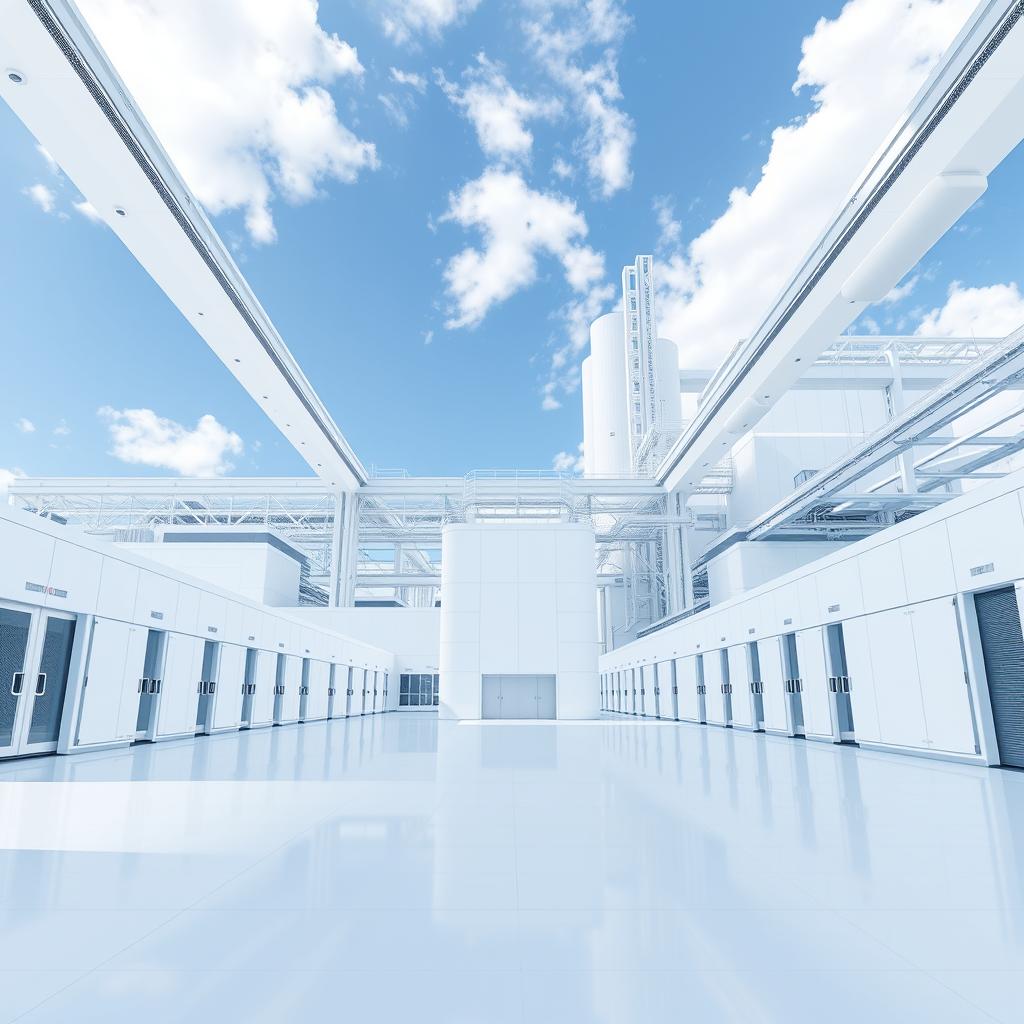
Nvidia Naver AI Factories: Building Gigawatt-Scale AI Infrastructure
Published: June 8, 2026 | AI Infrastructure • News • Nvidia
What does it take to build the computing backbone for the age of artificial intelligence? Until this week, most experts would have pointed to the largest hyperscale data centers running at 200 to 500 megawatts. Then Nvidia and Naver announced they are building not megawatt-scale but gigawatt-scale AI factories — a leap in infrastructure density that signals the industry has entered an entirely new phase of compute demand.
The partnership between the world's leading AI chip designer and South Korea's dominant internet platform company represents more than just another data center deal. It marks a strategic pivot in how AI infrastructure is designed, financed, and deployed. And it carries implications for every company building or buying AI compute capacity today.
Nvidia Naver AI Factories Reshaping AI Infrastructure
Nvidia and Naver are collaborating on a series of specialized AI factories that will operate at gigawatt-scale power capacity. For context, the world's largest data centers today — operated by Google, Microsoft, and Amazon — typically cap out at around 300 to 500 megawatts. A gigawatt is 1,000 megawatts, which means these AI factories will consume two to three times the power of even the largest existing hyperscale facilities.
These are not ordinary data centers repurposed for AI workloads. Nvidia has been developing the concept of "AI factories" — purpose-built facilities designed from the ground up for GPU-accelerated computing, with custom cooling architectures, dense interconnect topologies, and power delivery systems that can handle the extreme demands of modern AI training clusters.
Why Naver Specifically
Naver is not just any technology company. As South Korea's dominant search engine and internet platform, Naver has been investing heavily in its own AI capabilities — including its HyperCLOVA large language model and extensive cloud infrastructure. The company operates some of the most technologically advanced data centers in Asia and has deep expertise in running massive-scale services.
The partnership leverages Nvidia's GPU architecture and AI factory design expertise combined with Naver's operational experience in Asian markets and its existing infrastructure footprint. Together, they aim to build AI compute capacity that neither could efficiently build alone.
The Scale of Investment
Building a gigawatt-scale AI factory is a multi-billion-dollar undertaking. Industry analysts estimate that each gigawatt of AI compute capacity requires $3 billion to $5 billion in capital expenditure for construction alone — not including the GPUs and networking equipment that fill the facility. The total investment in the Nvidia-Naver partnership could exceed $10 billion over its construction timeline.
This level of investment signals a fundamental belief that AI compute demand will continue its exponential trajectory. Despite concerns about GPU oversupply earlier in 2026, the industry's largest players continue to bet on accelerating demand rather than a slowdown.
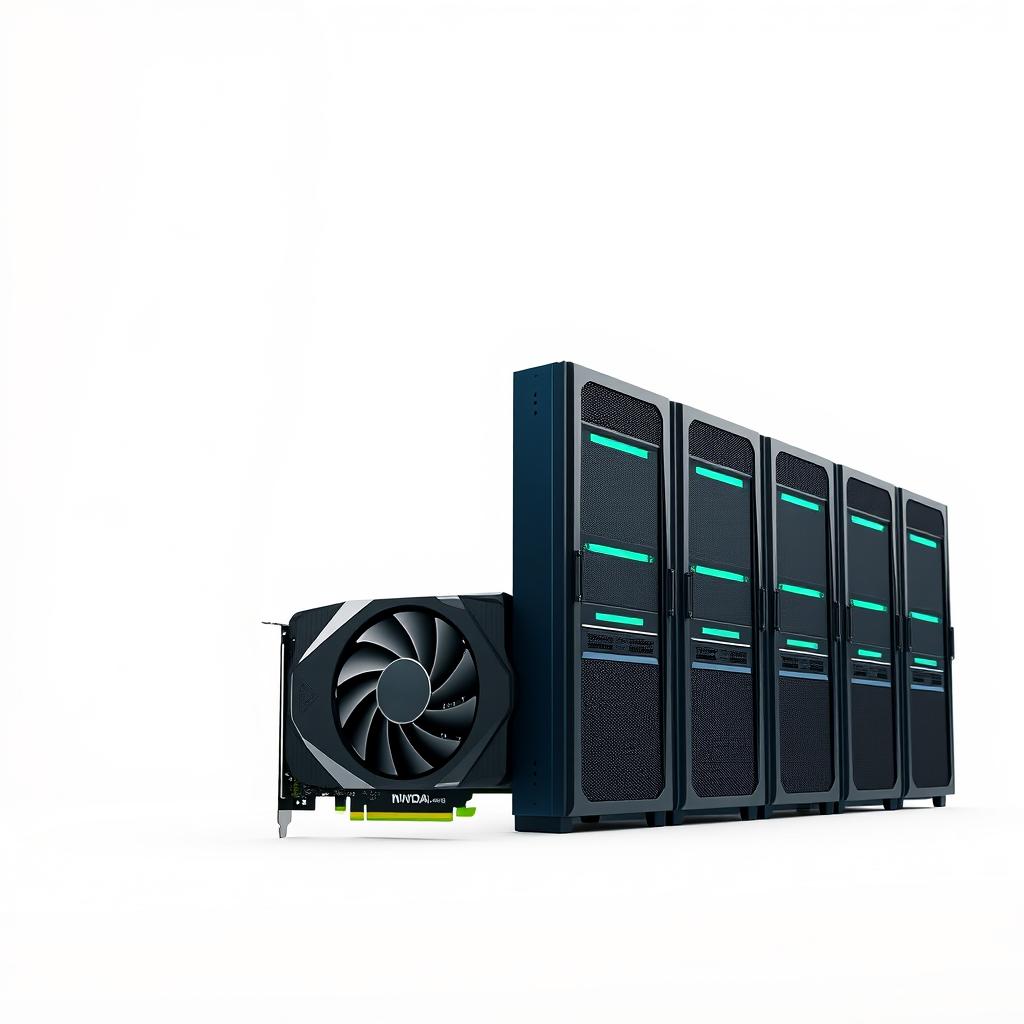
The Nvidia-Naver partnership combines GPU architecture expertise with operational scale in Asian markets.
Why Gigawatt-Scale Nvidia Naver AI Factories Matter
The shift from megawatt-scale to gigawatt-scale has profound implications for the entire AI industry. Here is what this leap means in practical terms for companies building AI capabilities today.
Training at Unprecedented Speed
Gigawatt-scale power capacity means clusters of 100,000+ GPUs operating simultaneously. Training runs that currently take weeks for frontier models could be compressed to days. This acceleration has a direct impact on the pace of AI research and development — faster training cycles mean faster iteration on model architectures.
For context, training a model like GPT-5 class system requires tens of thousands of GPUs running for weeks. With gigawatt-scale capacity dedicated entirely to training, that timeline shrinks dramatically, enabling AI labs to explore architectures and approaches that were previously impractical.
Cooling Technologies at Scale
One of the most challenging engineering problems in AI factory design is cooling. A gigawatt of compute generates enormous heat — far beyond what traditional air cooling can handle. These AI factories will require advanced liquid cooling systems, potentially including direct-to-chip cooling, immersion cooling, or hybrid approaches that combine multiple techniques.
Naver brings valuable experience here. The company's existing data centers in South Korea already employ sophisticated cooling technologies adapted to the country's climate and energy landscape. Extending that expertise to gigawatt scale represents a significant engineering challenge, but one that Naver is uniquely positioned to solve.
The Geopolitical Dimension
This partnership also carries significant geopolitical weight. South Korea is positioning itself as a major AI infrastructure hub, and the Nvidia-Naver deal strengthens its hand in the intensifying competition between the US, China, and allied nations for AI dominance. Unlike purely national projects in the US or China, this partnership builds a bridge between American chip design expertise and Asian operational infrastructure — a model that could be replicated in Japan, Taiwan, and European markets.
The Biden administration's export controls on advanced AI chips to China have reshaped the global AI supply chain, and partnerships like this one represent the new reality: AI infrastructure is being built within allied blocs rather than as a single global market. Naver's Korean base positions it perfectly to serve both domestic demand and the broader Asia-Pacific AI ecosystem.
Energy Supply and Grid Impact
A single gigawatt-scale facility consumes as much electricity as a small city. This creates challenges for grid integration, energy procurement, and sustainability commitments. Both Nvidia and Naver are reportedly exploring on-site power generation options, including natural gas turbines, on-site renewable generation, and potentially small modular nuclear reactors for later phases.
The energy implications are significant. The International Energy Agency has projected that AI data centers could consume 4 to 6 percent of global electricity by 2030. Gigawatt-scale facilities accelerate that timeline, putting pressure on utilities and regulators to develop frameworks for industrial-scale AI compute.
GPU Architecture Implications
The scale of these factories influences Nvidia's GPU roadmap in subtle but important ways. When a single customer is planning to deploy hundreds of thousands of GPUs in one facility, Nvidia can optimize its chip designs, networking fabric, and software stack for that specific deployment pattern. This is why Nvidia has invested heavily in its NVLink networking technology and its DGX reference architecture — both are designed to scale to cluster sizes that only gigawatt-level facilities can support.
Industry analysts at The Next Platform have noted that Nvidia's strategy of "co-engineering" with infrastructure partners creates a feedback loop: the factories inform chip design, and chip improvements enable denser, more efficient factories. This virtuous cycle is one of Nvidia's most durable competitive advantages.
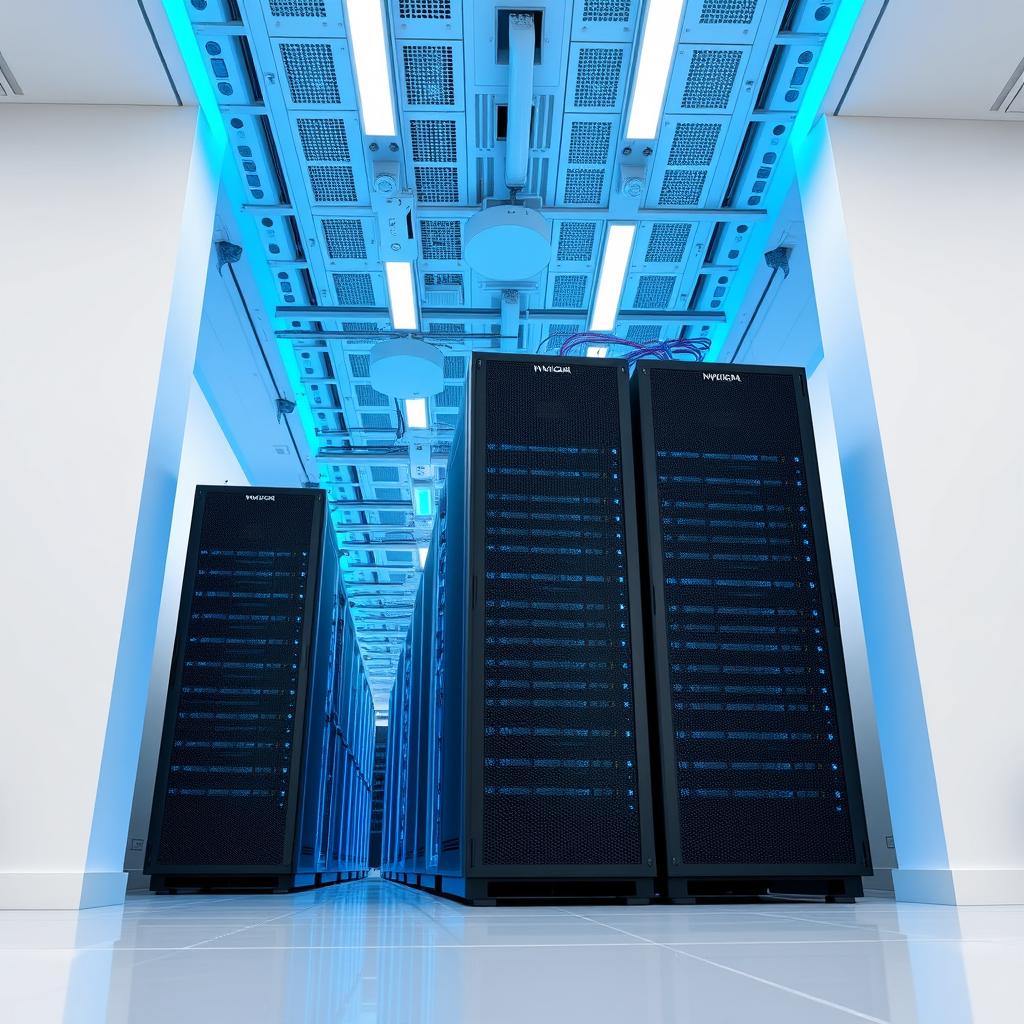
Advanced cooling systems are essential for managing the thermal output of gigawatt-scale GPU clusters.
Nvidia Naver AI Factories vs Hyperscaler Projects
To understand what makes this partnership unique, it helps to compare it with the AI infrastructure strategies of the major hyperscalers.
| Aspect | Nvidia-Naver | Hyperscaler Approach |
|---|---|---|
| Scale | Gigawatt+ per facility | 100-500 MW per facility |
| Design Focus | GPU-optimized from ground up | General purpose, retrofitted |
| Cooling | Advanced liquid + immersion | Air + liquid hybrid |
| Ownership | Joint venture partnership | Single company owned |
| Target Workload | Frontier AI training | Mixed training + inference |
This comparison reveals a fundamental strategic difference. The hyperscalers are building general-purpose infrastructure that can flex between workloads. The partnership's factories are purpose-built for a specific mission: training the most advanced AI models at the lowest possible latency.
What This Means for AI Compute Pricing
If these factories succeed in delivering cheaper, faster AI training capacity, the implications for AI compute pricing are significant. Specialized infrastructure should, in theory, deliver better performance per dollar than general-purpose data centers. That could put downward pressure on AI cloud pricing — benefiting startups and research labs that have been priced out of frontier model training.
However, the capital intensity of gigawatt-scale construction means that access to this compute will be concentrated among a small number of partners and tenants. The economics of AI infrastructure are increasingly favoring scale, and gigawatt-scale factories represent a new tier of exclusivity.
FAQ: Nvidia-Naver Infrastructure Partnership
What exactly are AI factories?
AI factories are purpose-built data centers designed specifically for GPU-accelerated AI workloads. Unlike traditional data centers, they are optimized around dense GPU clusters with high-bandwidth interconnects, specialized cooling, and power delivery systems engineered to handle the sustained loads of AI training.
When will the first gigawatt facility be operational?
Construction timelines for facilities of this scale typically span 3 to 5 years. Early site preparation and permitting could begin as soon as late 2026, with initial capacity coming online around 2028 to 2029. The partnership likely includes multiple phases with incremental capacity additions.
How does this compare to Microsoft and OpenAI's infrastructure?
Microsoft has been building out AI infrastructure through its Azure platform, including the $100 billion+ Stargate project. The Nvidia Naver partnership is comparable in ambition but differs in structure — it is a joint venture between a chip designer and a regional platform company rather than a cloud provider and an AI lab. The gigawatt scale puts it in the same league as the largest hyperscaler projects.
Will this affect GPU availability?
In the short term, no — these factories will consume GPUs years from now, not from current production. However, the scale of the commitment sends a strong demand signal to Nvidia's supply chain, which could influence GPU allocation and pricing over the next several years.
Conclusion: A Blueprint for the Next Decade of AI Infrastructure
This partnership is more than a single deal — it is a blueprint for how AI infrastructure will be built in the era of gigawatt-scale computing. By combining Nvidia's GPU expertise and AI factory design with Naver's operational scale and Asian market presence, the partnership creates a template that other regional technology champions may follow.
For companies building AI strategies today, the most important takeaway is that AI compute is becoming a first-order strategic asset — on par with talent, data, and intellectual property. The companies that secure access to frontier compute capacity will have a structural advantage in the AI race, and the bar for "enough compute" is rising faster than most organizations realize.
The gigawatt era of AI is here. The only question is who will build the factories, who will fill them, and who will be left watching from the outside.
Stay ahead of the AI infrastructure curve. What does your organization's compute strategy look like for the next 3 years — are you planning for megawatt or gigawatt scale? Share your thoughts in the comments below.
More to Read
Stay Ahead of AI
Weekly insights, tutorials, and tool reviews. No spam, ever.