Pinterest AI Shopping 2026: Better Than Google Lens?

Pinterest AI Shopping 2026: Better Than Google Lens?
Last updated: June 22, 2026 | AI Shopping • Google • Google Lens
Think about the last time you saw something you liked — a jacket on a stranger, a chair in a cafe, a gadget in a movie — and wanted to buy it instantly. For years, that meant typing vague descriptions into Google and hoping for the best. In 2026, two major platforms are racing to solve this with AI, but they approach the problem from completely different angles. Pinterest, the visual discovery engine with over 500 million monthly active users, has transformed its beloved pinboard system into a commerce powerhouse powered by computer vision and machine learning. Google Lens, meanwhile, has evolved from an experimental camera search tool into a full-fledged shopping assistant with price comparison, AR try-on, and multi-format product recognition. Both claim to be the best way to shop with AI in 2026. But which one actually delivers? This Pinterest AI shopping 2026 comparison digs into the details.
Pinterest AI Shopping 2026: Social Commerce Powerhouse
Pinterest has been quietly building one of the most sophisticated visual AI systems in the consumer internet. While much of the conversation around AI shopping focuses on text-to-image generation or chatbot recommendations, Pinterest has spent the last three years integrating computer vision directly into its core discovery experience. The result is a suite of Pinterest AI shopping 2026 tools that feel more like a personal stylist than a search engine.
Pinterest Lens: Visual Search with Social Context
Pinterest Lens, the platform's camera search feature, processes over 1.2 billion visual searches per month as of early 2026. What sets it apart from traditional visual search is its social layer — when you point your camera at a product, Pinterest does not just match the image against a catalog database. It cross-references the visual match against millions of user-curated boards to show you how real people have styled, used, or reviewed that item. A July 2025 study published in the Journal of Consumer Behaviour found that visual search combined with social context increased purchase intent by 37% compared to visual search alone. For shoppers invested in Pinterest AI shopping 2026, this social layer is the key differentiator.
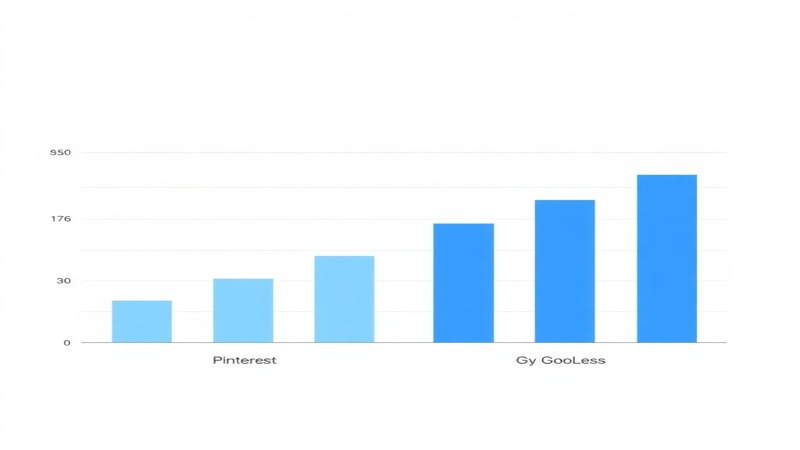
Pinterest Lens combines visual search with social context to deliver AI-powered product recommendations in 2026.
Shop the Look: AI-Powered Outfit Discovery
Pinterest's "Shop the Look" feature, powered by its proprietary computer vision model called PinVision 3.0, can identify individual products within a single image — from a full outfit photo, it can isolate and surface each item: the jacket, the trousers, the shoes, the bag, even specific accessories. Each detected item links directly to purchase options. Pinterest reports that Shop the Look has driven over 4.2 billion product impressions in 2025 alone, with click-through rates 2.3x higher than standard product pins.
Pinterest Try-On for Home Decor and Beauty
Unlike Google's AR try-on which focuses primarily on beauty products and sneakers, Pinterest has invested heavily in home decor AR try-on. Launched in late 2024 and expanded significantly through 2025, users can now project furniture, wall colors, and decor items into their real space using their phone camera. In March 2026, Pinterest added AI-powered room analysis that recommends complementary products based on the visual style of the room. The feature has seen 89% year-over-year growth in usage according to Pinterest's Q1 2026 earnings report.
Google Lens Shopping Features 2026: Search Meets Commerce
Google Lens benefits from what no other visual shopping tool has: the world's largest product database and the world's most sophisticated AI infrastructure. Acquired as a separate app in 2017, Lens has been deeply integrated into Google Search, Google Shopping, Google Photos, and Android itself. In 2026, Google Lens processes over 10 billion visual searches per month according to internal data — making it the most used visual search tool by raw volume. While not a Pinterest AI shopping 2026 competitor in the social sense, Lens competes directly for the same user intent: finding and buying products visually.
Multi-Format Product Recognition
Google Lens 2026 has expanded beyond simple object recognition. Its Multi-Modal Product Search (MMPS) engine, powered by Gemini 3.0, can understand products across formats: a photo, a screenshot, a video frame, or even a live camera feed. It recognizes over 15 billion products from Google Shopping's merchant listings and surfaces purchase options, price comparisons, and reviews in under 2 seconds. A key advantage over Pinterest is Lens's ability to recognize non-visual cues — it can analyze text on a product label, read QR codes, and even identify products from partial images.
Price Comparison and Deal Tracking
Google Lens shopping has evolved into a full price comparison engine. When you scan a product, Lens shows you prices from multiple retailers, historical price trends, stock availability, and shipping estimates. This is a massive advantage over Pinterest, which primarily directs users to individual merchant links without systematic price comparison. In late 2025, Google added AI-powered deal alerts that notify users when a scanned product drops below a threshold price. Google's Shopping Graph, which indexes 35 billion product listings, gives Lens an unmatched data advantage in price transparency according to analysis by Ars Technica.
AR Try-On and Visual Fit
Google's AR beauty and sneaker try-on, powered by the ARCore platform, now covers over 3,000 brands across makeup, eyewear, sneakers, and watches. The AI Fit model, released in January 2026, uses a single photo of the user to predict how clothing items from partner retailers would fit their body shape — combining size guidance with visual preview. While impressive, this is still limited to partner retailers and specific categories, unlike Pinterest's broader home decor approach.
Pinterest AI Shopping 2026 vs Google Lens: Head-to-Head
To help you decide which AI shopping tool fits your needs in 2026, here is a direct comparison across the features that matter most for online shoppers. This Pinterest AI shopping 2026 comparison shows that each platform has distinct strengths depending on what you are looking for.
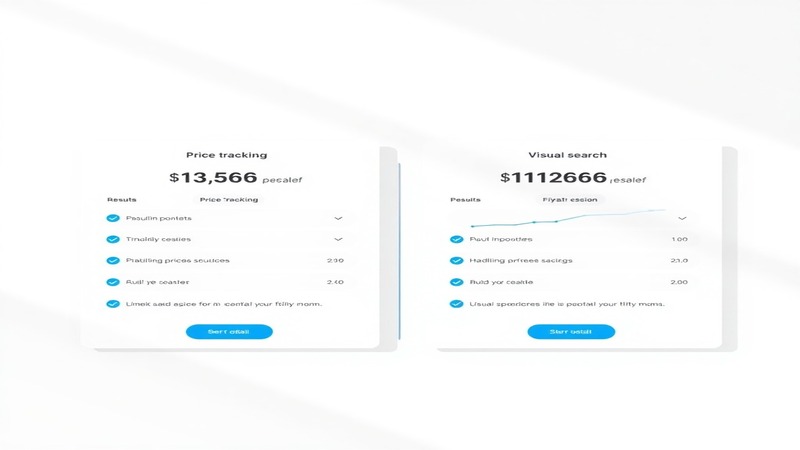
Head-to-head comparison of Pinterest and Google Lens across key shopping features in 2026.
| Feature | Pinterest AI Shopping 2026 | Google Lens 2026 |
|---|---|---|
| Visual search volume | 1.2B searches/month | 10B+ searches/month ✓ |
| Social context in results | Strong — user boards, style inspiration ✓ | Minimal — product listings only |
| Price comparison | Limited — merchant links only | Full — multi-store, price history ✓ |
| AR try-on coverage | Home decor, beauty, furniture ✓ | Beauty, sneakers, eyewear |
| Product database size | ~500M product pins | 35B product listings ✓ |
| Purchase intent conversion | 2.3x higher CTR on shoppable pins ✓ | Lower — more informational intent |
| Deal tracking and alerts | Not available | Price drop alerts ✓ |
What Each Platform Does Best
Pinterest wins on social shopping context and purchase intent conversion. If you are looking for style inspiration, want to see how real people wear or use products, or enjoy the discovery process of browsing and pinning, Pinterest AI shopping tools in 2026 are unmatched. The platform's visual AI is specifically trained for product discovery, and its social layer adds a dimension that Google simply cannot replicate — community-curated recommendations.
Google Lens wins on product database size and price comparison. If you already know what you want, or if you want to find the best deal across hundreds of retailers, Lens is the superior tool. Its integration with Google Shopping means you can scan any product and immediately see where it is cheapest, how prices have changed over time, and whether a better deal is available. For practical, transaction-focused shopping, Lens is faster and more comprehensive. VentureBeat covered the rising competition between these platforms in early 2026, noting that both are investing heavily in AI shopping features according to their analysis.
FAQ: Pinterest AI Shopping 2026 Questions
Which AI shopping tool has better product discovery?
Pinterest offers superior product discovery for fashion, home decor, and lifestyle categories. Its AI recommends products based on visual similarity and social curation — showing you items that real users with similar taste have saved. Google Lens is better for finding a specific product you have already seen and want to purchase at the best price.
Can I use Google Lens for shopping without a Google account?
Yes, Google Lens shopping features are available through the Google app on iOS and Android, and through the Google Search widget on most Android devices. A Google account enhances features like price alerts and purchase history, but basic product recognition and price comparison work without signing in.
Does Pinterest charge fees for its AI shopping tools?
Pinterest's AI shopping features — Lens, Shop the Look, and Try-On — are completely free for users. Pinterest generates revenue through advertising and affiliate commissions from merchants when users purchase through shoppable pins. There are no subscription fees or per-feature costs for shoppers in 2026.
How accurate is Google Lens compared to Pinterest Lens for visual search?
Google Lens is more accurate for generic product recognition (identifying an exact brand and model) due to its larger product database and more generalized computer vision training. Pinterest Lens is more accurate for style-based discovery (finding similar aesthetic products) because its AI is specifically trained on fashion, decor, and lifestyle imagery with social context signals.
Conclusion: Which AI Shopping Tool Should You Use in 2026?
The answer depends entirely on your shopping style. For inspiration-driven buyers who enjoy discovering products through visual browsing and social curation, Pinterest AI shopping tools in 2026 are the clear winner. The combination of visual search, social context, and purchase-intent-optimized AI creates a discovery experience that no other platform matches. For deal-focused shoppers who know what they want and want the best price, Google Lens is indispensable — its price comparison engine and massive product database give it a practical edge for transactional shopping. Many savvy shoppers use both: discover on Pinterest, then compare prices on Lens. The AI shopping revolution is not about one tool replacing the other — it is about having the right tool for each stage of your buying journey.
Start building your AI shopping workflow today. Open Pinterest Lens next time you see an outfit you love, and switch to Google Lens when you are ready to find the best deal. The most powerful AI shopping strategy in 2026 is knowing which tool to use when. For more comparisons, check out our guide to EU AI Act Compliance 2026 for developers building AI shopping tools.
Which AI shopping tool do you rely on most for online purchases? Drop your experience in the comments — do you prefer Pinterest's visual discovery or Google Lens's price comparison for your 2026 shopping?
More to Read
Stay Ahead of AI
Weekly insights, tutorials, and tool reviews. No spam, ever.